
For Trade Show Labor Coordination, Baltimore programs run smoother when warehouse timing, material handling, and outbound release are discussed before labor is booked.
Execution Systems
Trade Show Labor Coordination
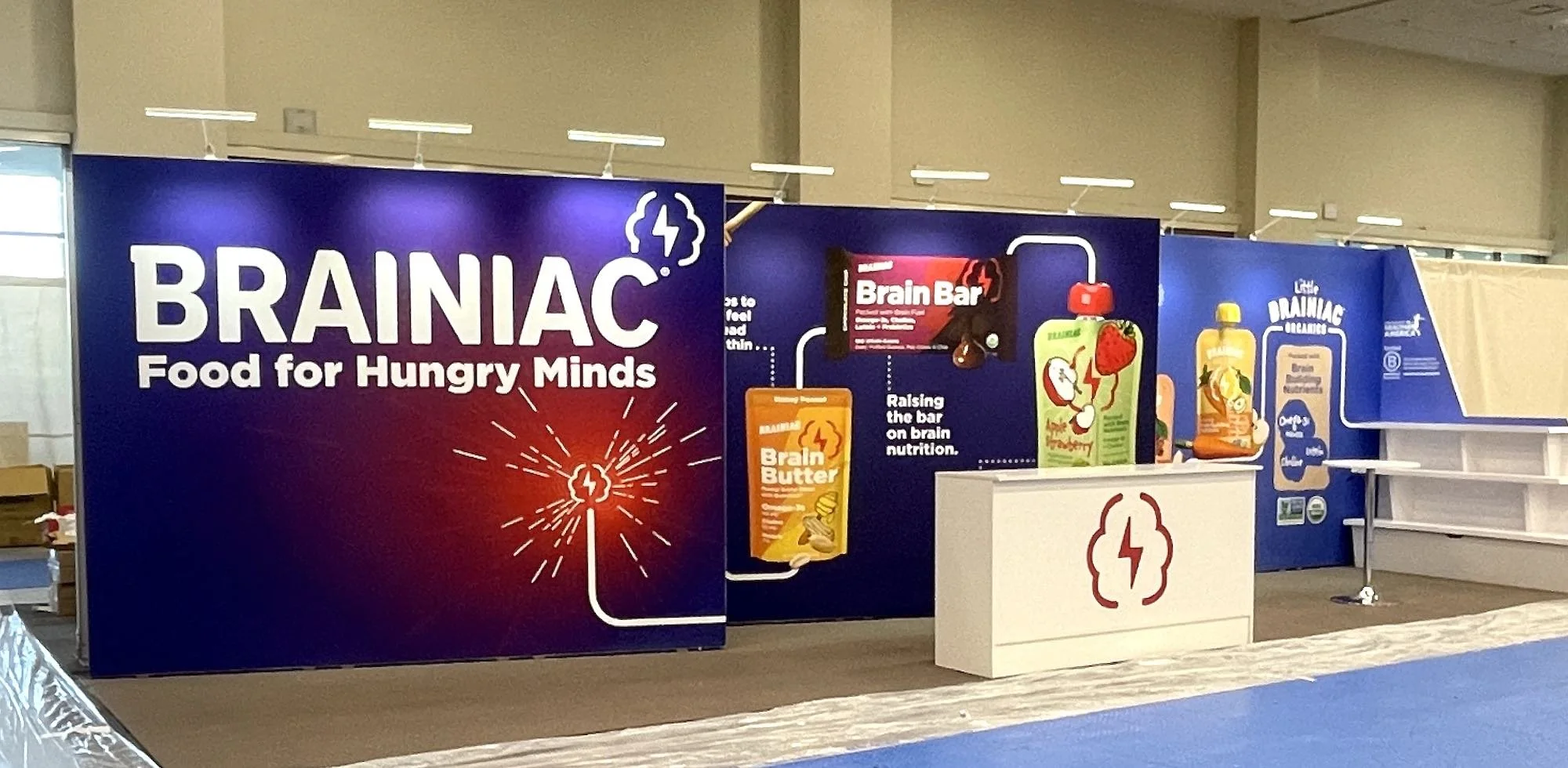
Trade Show Labor Coordination in Baltimore works best when booth strategy, venue timing, freight, labor, graphics, AV, and show-floor leadership are planned on one coordinated schedule instead of separate tasks.
The exhibitor team should know where Trade Show Labor Coordination stops and where show-floor supervision begins.
For Trade Show Labor Coordination, the convention center publishes dedicated Service Partners and Utilities / Audio Visual / Telecommunications sections, which is clear evidence that exhibitors and planners are expected to order key event services through official venue-controlled channels.
Project Route
Talk through Trade Show Labor Coordination with the Baltimore team
For the coordination, bring the venue, the dates, the footprint, and any concerns around labor, freight, graphics, staging, or AV so the Baltimore scope can track the real room and the real schedule.
Start a conversationFor the coordination, the operating context is south harbor location near premium waterfront inventory.
For the coordination, the useful service brief names who owns approvals, who owns the install path, and how the plan changes once the event moves from concept to the actual floor.
For the coordination, the Timonium fairgrounds layer adds consumer-show, agriculture-adjacent, and local expo demand not captured by Inner Harbor hotel inventory alone.
What drives the Baltimore calendar
Baltimore is a working trade show market.
Trade show weeks in Baltimore compress decisions.
The Baltimore Convention Center gives the market a true convention-floor anchor with contiguous exhibit space, meeting rooms, and ballroom inventory. That makes inner harbor conventions and citywide meetings one of the anchor audiences for exhibitors working Baltimore.
Baltimore venues we work
The plan has to match the specific building.
MGM National Harbor is one of the anchors, with 13 event rooms at MGM National Harbor.
The MGM Grand Ballroom has a capacity of 1,800 guests.
MGM National Harbor suits casino hotel conferences, VIP receptions, executive gatherings, National Harbor overflow programs.
CFG Bank Arena: cFG Bank Arena is a 14,000-seat multipurpose arena located in downtown Baltimore near the Inner Harbor convention core.
M&T Bank Stadium.
What makes our work different
Local fabrication means real-time problem-solving. A graphic that needs to be reprinted at 6 a.m.
Clients who run repeat programs across multiple dates end up paying less per event when the same team handles everything. Less re-briefing, less re-training, less re-checking — the operational overhead drops year over year.
Operational rules on the Baltimore floor
Baltimore floor operations follow the venue's own manual.
Practically, that means pulling the current exhibitor manual for every show and confirming a handful of items in writing: which tasks the venue's house crews cover, which tasks the show's general contractor covers, and what an exhibitor or their appointed contractor can handle without escalation.
Baltimore Convention Center: Because the BCC separates general service-partner workflows from utilities, AV, and telecom ordering, utilities, internet, and technical services as venue-coordinated rather than open-ended self-service.
Practical planning rules for the coordination in Baltimore: Baltimore venue requirements vary by facility, organizer, and event format.
Baltimore neighborhoods and event districts
Annapolis and Anne Arundel Waterfront covers Annapolis, Crofton, Laurel.
National Harbor Expansion Zone runs across National Harbor, Oxon Hill, College Park.
Scope on a trade show labor coordination project
A bad one has many, because they weren't.
Out of scope by default are show organizer fees, booth lease costs paid directly to the show, staff travel and per diems, and any custom software or data-capture tooling the client runs on its own stack. Those stay on the client side and plug into the project through coordination, not rebilling.
What an engagement actually looks like
Once scope is clear, the venue work begins.
One named show-site lead runs the install.
That document drives the next booking.
Pricing and scheduling
Cost scales with how it is built, how big it is, what the venue charges for its own services, what the graphics look like, how far the crates travel, and how many days the team stays on-site.
Rental programs run on 8 to 12.
How project performance gets measured
Trade show ROI is measured at the lead and pipeline level.
The post-show debrief is where the numbers get connected back to the physical booth. Which demo station drew traffic, which meeting area closed more conversations, which graphic zone attracted dwell time — that feedback shapes the next build rather than getting lost.
Questions
Trade Show Labor Coordination planning questions
Do you work at the Westin Annapolis?
Yes. 14 event rooms and 15,418 square feet of total event space.
How does labor work in Baltimore?
It runs venue by venue. Some properties route utilities, internet, AV, decorator services, or technical support through in-house teams or approved partners, while others leave more scope with the organizer and exhibitor contractor. Every Baltimore plan is checked against the current exhibitor manual, venue service matrix, and move-in rules before labor is booked.
How much lead time is ideal?
Custom builds run best with 16 to 20 weeks of lead time. Rentals take 8 to 12 weeks.
What information kicks off a project?
The show, the venue, the booth number, the dates, and a target budget range. From those, an initial scope and a realistic cost come back within a few days.
Who runs the booth on-site?
One named show-site lead runs the install, the show hours, and the strike. That person carries the floor plan and the punch list from crates to doors and reports up once a day.
Can the booth travel to the next city on our calendar?
Same structure, swappable graphics, standard crates.
What happens if something breaks during show hours?
The on-site lead handles it.